
Share this post
AUTHOR:
How Coaching Can Fix Common Lighting Mistakes
November 12, 2025
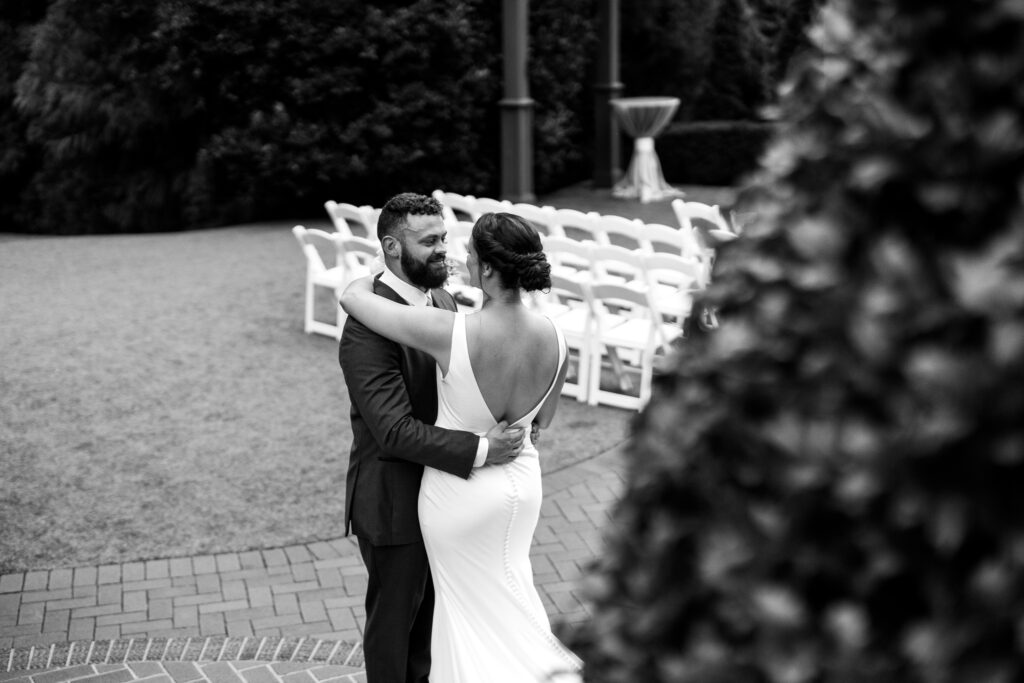
Lighting is the invisible brushstroke that shapes your images. For photographers, light isn’t just a technical necessity, it’s the very soul of the craft. Yet, even experienced shooters stumble into avoidable lighting mistakes that flatten portraits, create harsh shadows, or ruin dynamic range. The good news? These mistakes aren’t permanent problems. Coaching provides the structure photographers need to break lighting habits, learn hands-on corrections, and refine techniques that elevate their work. Whether you’re chasing golden hour portraits, shooting moody product scenes, or delivering consistent studio setups, the right coaching can completely transform your approach to light.
Here are 10 critical tips:
- Understanding Harsh Shadows
- Balancing Natural and Artificial Light
- Mastering Exposure in Difficult Conditions
- Controlling Color Temperature
- Using Reflectors and Diffusers Effectively
- Avoiding Flat or Dull Images
- Learning Studio Lighting Fundamentals
- Capturing Consistency in Event Photography
- Developing Creative Lighting Styles
- Fixing Workflow and Post-Processing Missteps
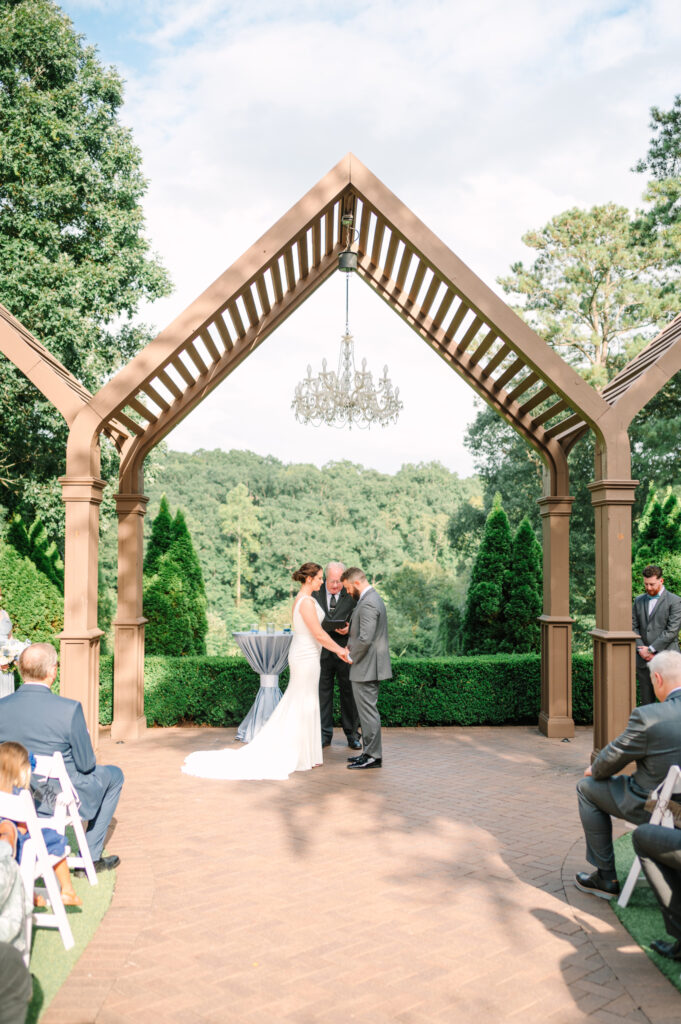
Understanding Harsh Shadows
Shadows add drama and dimension, but when unmanaged, they can easily overwhelm a subject. Many beginners fail to recognize how a single light source can carve out unflattering lines across faces or obscure important details. Coaching provides strategies to turn shadows into tools rather than problems, giving you more creative control over your images. By learning to predict and adjust shadow falloff, you’ll produce images that look professional and intentional instead of accidental.
Positioning Lights to Prevent Harsh Shadow Lighting Mistakes
A common error is placing lights directly in front of or above subjects. This results in hard shadows that draw attention away from the subject itself. In coaching, you’ll learn positioning techniques to counter this mistake, producing dimensional but flattering outcomes that enhance details without being distracting. Coaches also demonstrate how small changes in angle or height can transform the mood of an entire shot.
Shadow Control for Lighting Mistakes in Portraits
Portrait photographers often fight with deep, unintentional shadows on faces. Coaching shows you how to use fill lights and modifiers to correct these issues, leading to balanced and polished results for your clients. Beyond just adding light, you’ll also learn how to use shadow control as a storytelling element, building stronger compositions while avoiding distracting dark patches.
Balancing Natural and Artificial Light
Mixing natural and artificial light requires finesse, and without guidance, photographers often end up with competing tones. The balance between the two can either create a harmonious look or a chaotic clash that ruins a photo’s aesthetic. Coaching teaches you how to evaluate the scene quickly and make informed choices about your light sources. With these tools, you can enhance the atmosphere while still keeping your subject the main focus.
Natural Light Integration for Common Lighting Mistakes
Coaches emphasize how to work with sunlight instead of against it. This avoids frequent issues like overexposed highlights or underexposed shadows. By recognizing patterns in natural light, you’ll learn to adjust settings and positioning for a cohesive final result that feels organic. Take a look at some of these extra tips on how to handle natural light; 16 Tips for Beautiful Indoor Natural Light Photography.
Blending Flash to Avoid Mixed Lighting Mistakes
Without guidance, flash often looks artificial when paired with natural light. Coaching helps identify how to blend flash and daylight so tones look consistent across your frame. This results in images that feel natural and professional, even when artificial light is used to fill in gaps.
Mastering Exposure in Difficult Conditions
Exposure problems can happen in the brightest or darkest environments. Relying on trial and error can leave you with missed shots and inconsistent results. Coaching gives you repeatable strategies for handling tough conditions, ensuring that your exposure choices elevate rather than compromise your images. You’ll gain confidence in adapting quickly no matter where you shoot.
Low-Light Photography Lighting Mistakes
Shooting weddings or events often means dimly lit spaces. With coaching, you’ll learn to avoid issues like high noise, blur, or overcompensation with bright flashes. Coaches provide strategies for using ambient light, adjusting ISO intelligently, and incorporating subtle fill lighting.
Overexposure Lighting Mistakes Outdoors
Bright midday conditions are another hurdle. Coaches teach techniques like spot metering, use of ND filters, and exposure bracketing to manage overexposure. This ensures highlight details remain intact, creating images that look balanced and true to life.
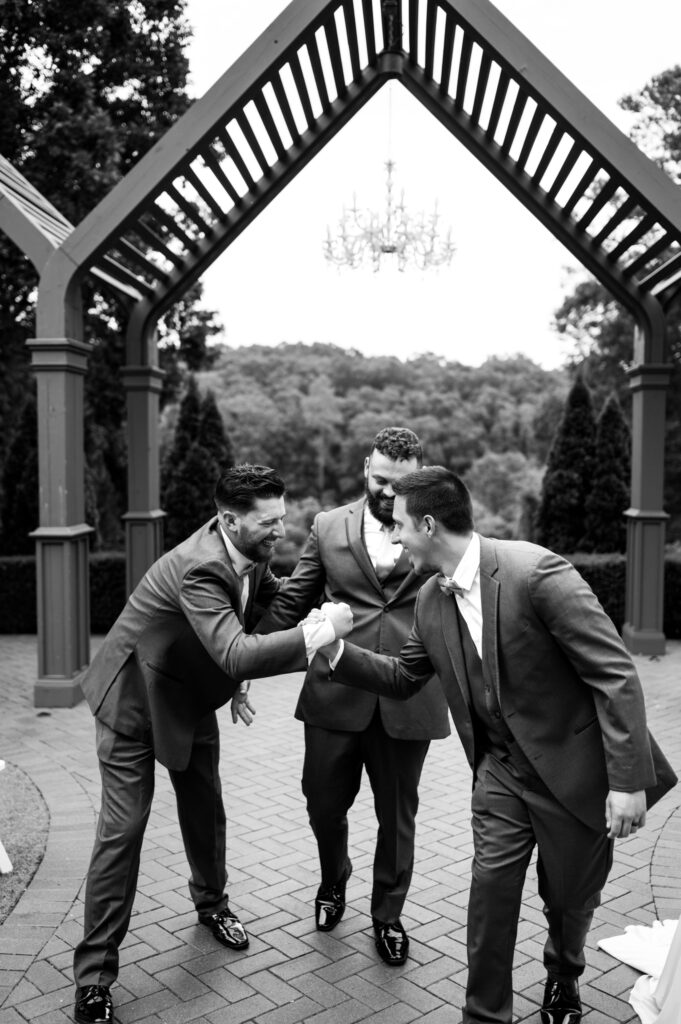
Controlling Color Temperature
Color temperature sets the tone of your image, but it’s also one of the easiest areas to overlook. Mixing warm and cool sources can lead to awkward, unnatural color shifts that distract from your subject. Coaching teaches you how to spot these problems and adjust in-camera or with tools to maintain consistency. Correcting color temperature ensures skin tones and environments look authentic across every frame.
Mixed Temperature Lighting Mistakes
Photographers often overlook how mixed bulbs, tungsten, fluorescent, LED, create bizarre tones. Coaching reveals how to identify mismatched sources and correct them before they ruin a shoot. You’ll also learn how gels or modifiers can harmonize temperatures for cohesive color control.
Kelvin Settings for Lighting Mistakes Control
Instead of relying solely on presets, coaching teaches you precise Kelvin adjustments. This minimizes errors tied to inaccurate camera settings, giving skin tones true-to-life hues. By practicing with controlled setups, you’ll gain the confidence to adjust white balance in real time on any shoot.
Using Reflectors and Diffusers Effectively
Reflectors and diffusers seem simple, but poor technique can lead to disappointing results. Many photographers either overpower their subjects with too much bounce or underutilize these tools altogether. With coaching, you’ll get hands-on guidance on how distance, angle, and surface choice impact the final shot. These corrections can make a dramatic difference in achieving flattering, natural light.
Reflector Placement for Lighting Mistakes in Portraits
Placing reflectors too close or at the wrong angle is a frequent mistake. Coaching demonstrates how to bounce light in a way that brightens shadows without flattening the image. You’ll also explore how reflector size and material change the quality of light.
Diffuser Misuse Causing Lighting Mistakes
Too much or too little diffusion can wash out or dull subjects. Coaching breaks down how to adjust placement, layers, and intensity for the right balance. By practicing with feedback, you’ll learn when subtlety makes the most impact in your images.
Avoiding Flat or Dull Images
Flat light can make even the most exciting subject look lifeless. Many beginners stick to safe setups that don’t add dimension or drama. Coaching helps you introduce subtle contrast and layering so your images carry more depth and energy. Learning these techniques separates amateur work from professional-level results.
Creative Contrast to Avoid Flat Lighting Mistakes
Flat light robs images of life. With coaching, you’ll learn to reintroduce dimension through highlights and shadows. This makes your subjects stand out naturally while avoiding the pitfalls of harsh or inconsistent contrast.
Rim and Backlight to Correct Dull Lighting Mistakes
Adding rim or backlighting can transform a flat photo into something dynamic. Coaches teach when and how to incorporate these techniques for the best effect. This allows you to create atmosphere while ensuring your main subject still remains the focus.
Learning Studio Lighting Fundamentals
Studio environments can feel intimidating at first, but skipping foundational skills leads to repeated errors. Coaching provides structure, helping you understand one-light setups before advancing into more complex arrangements. By focusing on fundamentals, you’ll build confidence in controlling light rather than guessing. The result is consistency across all studio projects.
One-Light Setup to Fix Studio Lighting Mistakes
Beginners often misuse multiple lights too soon. Coaching shows you how to master a single-light setup, giving you a strong foundation. Once you’re comfortable, you can expand to two- or three-light setups with intention instead of trial and error.
Light Ratios and Modifiers for Studio Lighting Mistakes
Unbalanced ratios or the wrong modifiers often create harsh or unflattering effects. Coaches walk you through choosing the right modifiers for each job. This ensures polished, professional images every time.
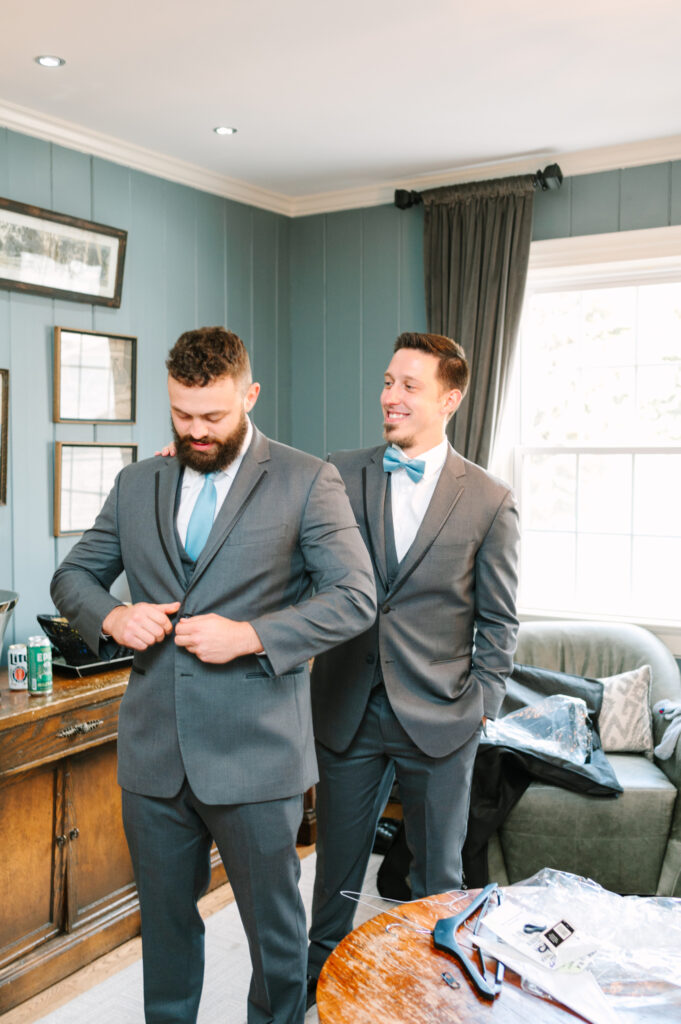
Capturing Consistency in Event Photography
Events are unpredictable, with constantly changing light sources. Without training, it’s easy to make errors that lead to inconsistent galleries. Coaching prepares you to adapt quickly, balancing flash, ambient light, and exposure in real time. Your clients will notice the improvement when their full gallery looks cohesive from start to finish.
Flash Overuse Lighting Mistakes at Events
A frequent mistake is blasting subjects with direct flash. This often creates harsh shadows and removes the natural feel of the event. Coaching provides subtler alternatives, teaching you to bounce or diffuse light while maintaining atmosphere.
Ambient Light Balance for Event Lighting Mistakes
Failing to use ambient light effectively leads to underwhelming shots. Coaches help you identify how to blend ambient and artificial sources. This skill keeps your photos looking authentic while still properly exposed.
Developing Creative Lighting Styles
Once you’ve mastered the basics, creativity becomes your strongest differentiator. Many photographers get stuck repeating the same safe setups, which limits artistic growth. Coaching pushes you to experiment and refine your own unique lighting voice. This helps your work stand out in a saturated market.
Mood Creation to Prevent Cliché Lighting Mistakes
Repeating predictable light setups is a silent mistake that makes images look generic. Coaching encourages you to build lighting with mood in mind. By experimenting with color, shadow, and angles, you’ll develop more memorable and expressive work.
Layered Lighting to Avoid Common Creative Mistakes
Adding multiple light sources without purpose quickly leads to messy results. Coaches show you how to layer lights with intention, balancing each source. This transforms chaotic lighting setups into cohesive, professional images.
Fixing Workflow and Post-Processing Missteps
Lighting mistakes don’t stop once the shutter clicks, they often continue in post-production. Without coaching, it’s easy to overcorrect images, leaving them unnatural. Mentorship helps you refine your editing approach so your work looks polished but still true to life. With guidance, you’ll learn how subtle adjustments make the biggest difference.
Over-Correction Lighting Mistakes in Editing
Beginners often “fix” lighting by crushing shadows or boosting highlights too far. Coaching emphasizes restraint, teaching you how to enhance an image without destroying its natural balance. This helps create timeless edits instead of overly processed looks. Sign up for our Mastering Lightroom Coaching for all the best coaching tips on how to handle these simple (and big) mistakes.
Preset Overuse Creating Lighting Mistakes
Presets are useful, but overuse creates a cookie-cutter look that lacks authenticity. Coaching encourages developing your own adjustments to maintain originality. With practice, you’ll learn to use presets as a starting point rather than a crutch.
Lighting can feel overwhelming, but it doesn’t have to be. With the right coaching, you’ll learn how to turn mistakes into stepping stones for growth. From mastering exposure to developing a creative style, each improvement builds your confidence and strengthens your portfolio. The investment you make in coaching pays off not only in technical skills but also in professional credibility. If you’re ready to stop guessing and start growing, coaching is the key that unlocks your next level as a photographer.
Tired of repeating the same lighting mistakes? Imagine working side by side with a mentor who can call out issues in real time and show you how to fix them immediately. Coaching is the bridge between where you are and where you want your photography to be. Take your next step today: sign up for personalized coaching sessions and stop letting lighting mistakes hold your work back.
reg & Kala hurst


Comments