
Share this post
AUTHOR:
10 Photography Composition Rules Every Beginner Should Know”
November 18, 2025

Photography is more than simply pressing a button, it’s about capturing moments with intention and artistry. For anyone getting started in beginner photography, learning composition rules is the fastest way to improve visual storytelling and create stunning images. By mastering these foundational guidelines, photographers set themselves up for creative success while building confidence with every shot. In this post, we’ll break down core composition rules every beginner in photography should know, alongside practical tips and keyword-rich strategies for stunning image results.
Here is what we cover:
- Rule of Thirds
- Leading Lines
- Framing Within The Frame
- Symmetry and Patterns
- Background Control
- Depth and Foreground Interest
- Balance and Visual Weight
- Use of Negative Space
- Filling The Frame
- Color and Contrast

Rule of Thirds
The rule of thirds is one of the most foundational concepts in beginner photography and serves as a gateway into more advanced composition. By dividing your frame into a grid, you learn to intentionally place subjects and background elements in a way that feels balanced and natural. This rule is popular because it’s simple yet powerful, making photos instantly more engaging. Many cameras and phones even offer built-in grid overlays, so it’s easy to practice. Once you get used to it, you’ll notice your photos feeling more professional with very little extra effort. Need more information on this? Check out this educational article that dives deeper; Rule of Thirds in Photography: The Essential Guide.
Placing Your Subject on the Grid
Beginner photography often starts with the rule of thirds: imagine dividing your photo into a 3×3 grid, then placing your subject along the lines or intersections to create dynamic balance. Using this grid helps images feel more intentional and visually pleasing. This approach keeps photos from feeling flat or unbalanced, allowing you to highlight the subject without overcrowding the frame. Over time, photographers naturally start “seeing the grid” without relying on overlays, making composition second nature.
Rule of Thirds for Beginner Photography Impact
Every beginner photography composition benefits from moving away from centered subjects and exploring those powerful intersecting points. This simple technique can instantly enhance average photos and help new photographers develop an artistic eye. The rule of thirds also encourages better use of the environment, since subjects can be paired with leading lines or backgrounds that fill the rest of the grid. As beginners experiment, they’ll find their images feel more dynamic and professional with minimal effort.
Leading Lines
Leading lines act as invisible guides that pull the viewer’s eye through your image, creating movement and flow. They can be natural, like rivers or paths, or man-made, like fences or stairways. For beginners, this technique is a game-changer because it gives structure and intentionality to a photo. Leading lines also help add energy, turning static images into ones that feel like they’re telling a story. With a little practice, you’ll start spotting leading lines everywhere in your surroundings.
Using Leading Lines in Beginner Photography
Leading lines, such as roads, fences, or natural patterns, guide the viewer’s eye through an image. For anyone shooting beginner photography, incorporating leading lines is a practical way to control where attention flows within a photo. These lines not only direct focus but also add energy and motion, helping the viewer feel “pulled” into the scene. Strong lines can transform even simple settings into captivating compositions.
Creating Depth with Lines
When lines stretch from the foreground into the distance, they add a strong sense of depth and three-dimensionality to beginner photography compositions. Think of paths, bridges, or rivers as natural tools for compelling photos. This technique can also suggest a journey or story, encouraging viewers to imagine what lies beyond the frame. For beginners, practicing with leading lines is a quick way to elevate everyday photos into storytelling images.
Framing Within The Frame
Framing is all about using elements in your environment to create a natural border that highlights your subject. This technique not only draws attention but also adds depth and creativity to your photos. Beginners often find this rule fun because it encourages exploration, suddenly, a doorway, tree branch, or archway becomes a tool for storytelling. Framing can also add intimacy to portraits, making the viewer feel as though they’re peeking into a private moment. It’s one of the easiest ways to turn ordinary scenes into visually striking compositions.
Creative Frames for Beginner Photography
Creating a ‘frame within the frame’ uses elements like windows, arches, or foliage to enclose the subject and draw focus inward. Photographers just starting out can find endless creative frames in their environment, making beginner photography both fun and effective. Using these natural or architectural frames instantly makes the subject feel more important and the image more polished. This method is especially powerful for portraits, where framing can add intimacy and focus.
Adding Storytelling Layers
A frame within the frame adds narrative depth to beginner photography, encouraging viewers to explore the story beyond the obvious subject. It also prevents distractions and emphasizes the primary area of interest. These frames can suggest context, like placing someone in a doorway to show both the person and their environment at once. For beginners, it’s a great way to practice making ordinary spaces feel cinematic.
Symmetry and Patterns
Symmetry and patterns appeal to the human eye because they provide order and predictability. Photos with symmetry feel calm and balanced, while patterns offer rhythm and repetition that keep viewers engaged. Beginners can experiment with architecture, reflections, or even nature to spot these opportunities. Breaking the symmetry or pattern intentionally can also add tension and intrigue, making your image stand out even more. This balance of structure and disruption creates endless creative possibilities.
Finding Symmetry in Beginner Photography
Symmetry brings balance and stability to beginner photography compositions. Reflective water, architecture, and even faces provide natural opportunities for creating symmetrical images that immediately stand out. Perfect symmetry creates a sense of calm, while slight asymmetry can add intrigue and tension. Practicing with symmetry helps beginners develop an eye for order and structure in their compositions.
Harnessing Patterns for Visual Impact
Patterns, whether man-made or found in nature, attract attention and bring order to beginner photography. Repeating textures or elements, like tiles or tree rows, can make a photo highly engaging. Breaking a pattern with one different element also creates powerful emphasis. Beginners can experiment by zooming in on details or capturing wide shots to highlight repeating shapes.
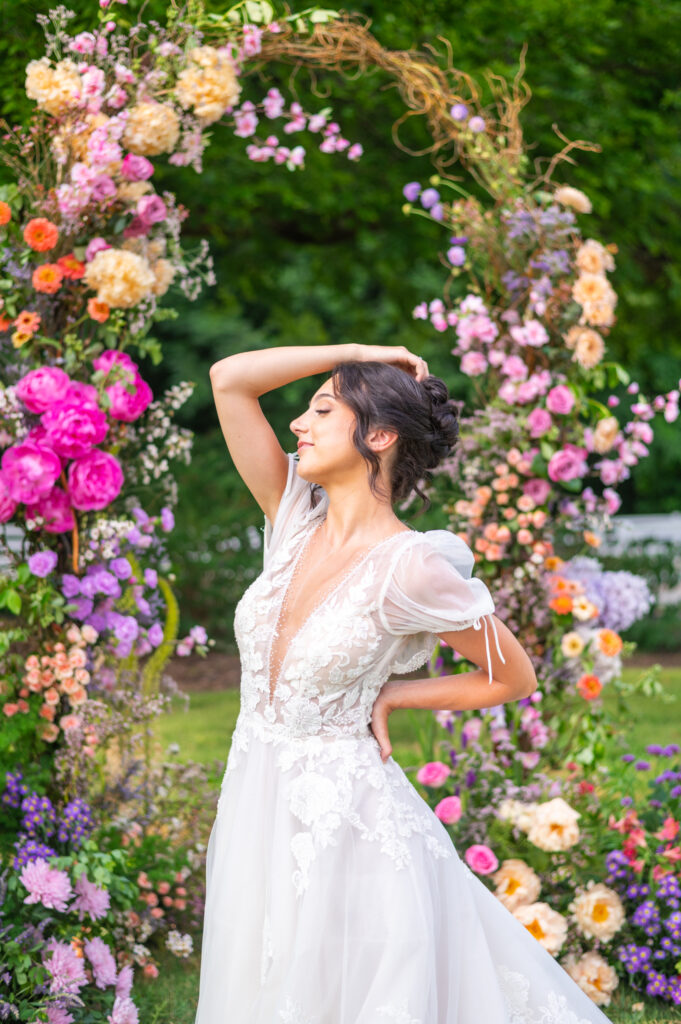
Background Control
Even the most striking subject can lose impact if the background is cluttered or distracting. Learning to manage backgrounds is crucial for beginner photographers because it separates casual snapshots from intentional photography. By simplifying or blurring out unnecessary elements, you instantly elevate your composition. Paying attention to backgrounds also trains your eye to notice the entire frame rather than just the subject. Over time, this habit helps create cleaner, more polished images.
Simplifying Backgrounds in Beginner Photography
A cluttered background can instantly diminish the effect of a great image. Beginner photographers can elevate their shots by choosing simple, uninspiring, or blurred backgrounds to let the subject shine. Clean backgrounds make it easier for the viewer to know what to focus on. Over time, beginners will learn to spot and eliminate distractions before pressing the shutter.
Using Depth of Field for Clarity
Controlling background blur, also known as ‘bokeh,’ is an excellent way for beginner photography enthusiasts to separate subjects from distracting environments, ensuring crisp, focused compositions. A shallow depth of field can transform a busy street into a dreamy backdrop. Practicing aperture control is one of the fastest ways for beginners to elevate their photos. It’s also an introduction to how camera settings directly impact composition.
Depth and Foreground Interest
Adding depth to your photos makes them feel immersive and three-dimensional, drawing the viewer right into the scene. Foreground elements are especially powerful in landscapes and storytelling images, giving the photo a sense of scale and place. Beginners who practice this technique quickly learn to think beyond flat, two-dimensional shots. Incorporating multiple layers in your composition ensures every part of the frame works together. The result is images that feel rich, full, and dynamic.
Adding Foreground Elements in Beginner Photography
Placing objects in the foreground creates a sense of depth and guides the viewer into the picture. Flowers, rocks, or people at the front of a scene are classic beginner photography tools for three-dimensional effect. This technique helps landscapes feel more immersive by giving the viewer an entry point into the scene. Beginners can experiment with crouching lower or moving closer to objects for stronger impact.
Layering for Dynamic Impact
Including foreground, middle ground, and background layers helps beginner photographers create dynamic, multi-dimensional stories in every image, adding narrative and realism. This layering technique makes scenes feel complete and engaging. It also teaches beginners to think of their photos like storytelling stages, where each layer adds context. Even a simple portrait can feel richer when placed against thoughtful layers.
Balance and Visual Weight
Balance in photography isn’t just about symmetry, it’s about making sure no single element overwhelms the rest of the frame. Visual weight comes from factors like brightness, color, size, and contrast, all of which influence where the eye lands. Learning to manage these elements ensures your photos feel stable and complete. For beginners, experimenting with balance sharpens awareness of how subtle details affect the overall composition. Once you start noticing visual weight, you’ll have greater control over the mood and message of your photos.
Balancing Elements in Beginner Photography
Effective compositions use visual weight, how much attention an element attracts, to balance images. Beginner photography improves when photographers notice how colors, shapes, and brightness affect balance across the frame. A bright subject in one corner may need a darker or smaller counterpoint to feel stable. With practice, beginners learn how to arrange elements so images feel neither too heavy nor too empty.
Counterbalancing Your Main Subject
Placing a secondary object opposite the primary subject can improve balance in beginner photography, ensuring the frame doesn’t feel lopsided or incomplete. This secondary element doesn’t need to be equally strong; it just needs to keep the eye moving around the image. Counterbalancing often adds interest by creating subtle visual dialogue between elements. Beginners can experiment with small props, shadows, or color pops to balance the scene.

Use of Negative Space
Negative space gives your subject room to breathe and allows your composition to feel uncluttered. Instead of cramming the frame, this technique emphasizes simplicity and clarity. It can create a sense of calm, drama, or even mystery, depending on how it’s used. For beginners, negative space is a helpful reminder that less can often be more. By intentionally leaving areas of emptiness, you draw greater focus to what truly matters in the photo.
Embracing Negative Space in Beginner Photography
Negative space refers to the empty areas surrounding the main subject. In beginner photography, learning to use negative space can bring quiet, dramatic emphasis to the focal point, making subjects really pop. It provides breathing room for the eye, especially in busy environments. Negative space also creates mood, whether calm, minimalist, or dramatic.
Minimalism for Stronger Photos
Using negative space fosters minimalist compositions, a powerful strategy for beginner photographers seeking to deliver clear, impactful messages with each shot. Minimalist photography often feels timeless and professional. By practicing restraint, beginners learn that not every inch of the frame needs to be filled. This approach often results in images that feel elegant and memorable.
Filling the Frame
Sometimes, the opposite of negative space is the best approach, filling the frame creates intimacy and eliminates distractions. This technique forces viewers to focus closely on details, textures, or expressions that might otherwise go unnoticed. Beginners can practice this by moving closer to their subjects or zooming in. Filling the frame is especially effective in portrait, street, and macro photography. It’s a bold and powerful way to capture attention and tell a clear story.
Getting Closer in Beginner Photography
Beginner photography often benefits from the advice: “Fill the frame.” Moving closer to the subject eliminates distractions and intensifies the viewer’s connection with the main element. This technique also encourages beginners to notice details they might otherwise overlook. Filling the frame is especially effective for portraits, textures, and macro-style shots.
Cropping to Focus Attention
Cropping extraneous parts of the image in-camera or in postproduction is an effective beginner photography trick for directing the audience’s attention to what truly matters. It simplifies the story of the image and removes visual clutter. Cropping can also improve composition when a shot was framed too loosely. Beginners should treat cropping as both a creative tool and a learning exercise in framing.
Color and Contrast
Color and contrast are some of the most striking tools in photography because they instantly influence emotion and mood. Colors can complement or clash, creating harmony or tension depending on your choice. Contrast between light and dark, or between vibrant and muted tones, adds drama and depth to an image. For beginners, experimenting with color schemes can quickly improve the look of their work. Mastering this skill also makes post-processing easier, as you’ll know how to enhance what you’ve already captured in-camera. Sign up for a Mastering Lightroom call to get more in depth coaching on this.
Using Color Schemes in Beginner Photography
Thoughtful color use can transform beginner photography, evoking emotion and highlighting subjects. Complementary and analogous color schemes create harmonious, visually appealing images. Colors can suggest mood, warm tones for energy, cool tones for calm. Beginners can experiment by scouting colorful backgrounds or intentionally pairing wardrobe with location.
Boosting Contrast for Dynamic Shots
High contrast, either through color pairing or light/dark elements, adds drama, interest, and artistic edge to beginner photography compositions, ensuring every detail is seen. Contrast draws attention quickly and can emphasize texture or shape. Beginners can practice with strong natural light or editing tools to create striking differences in tone. Learning contrast is key for making images stand out in crowded visual spaces.

Mastering composition in beginner photography isn’t about memorizing rules, it’s about learning how to see differently. These techniques give you the tools to control how your viewer experiences an image, making your photos stronger and more engaging. As you practice, you’ll notice your instincts improve, and soon you’ll be breaking rules intentionally to develop your unique style. Remember, great photography grows from both structure and experimentation. Keep practicing, stay curious, and let your creativity guide the way.
Ready to take beginner photography skills to the next level? Sign up for our Learning the Basics Course where we walk you through all the basics to get your started on you journey to success.

reg & Kala hurst


Comments